Pickleball has revolutionized the way communities connect through sports. In 2024 alone, the sport grew by nearly 25%, with over 18,000 new courts popping up across the country. Each court isn’t just a playing surface—it’s a gathering place where players meet, compete, and form lasting connections. Pickleball more than most sports seems to thrive on inclusivity and camaraderie, fostering organic communities around a simple net and a few painted lines. These close-knit groups often become the foundation for future pickleball clubs, elevating the playing experience and deepening the sense of belonging within the sport.
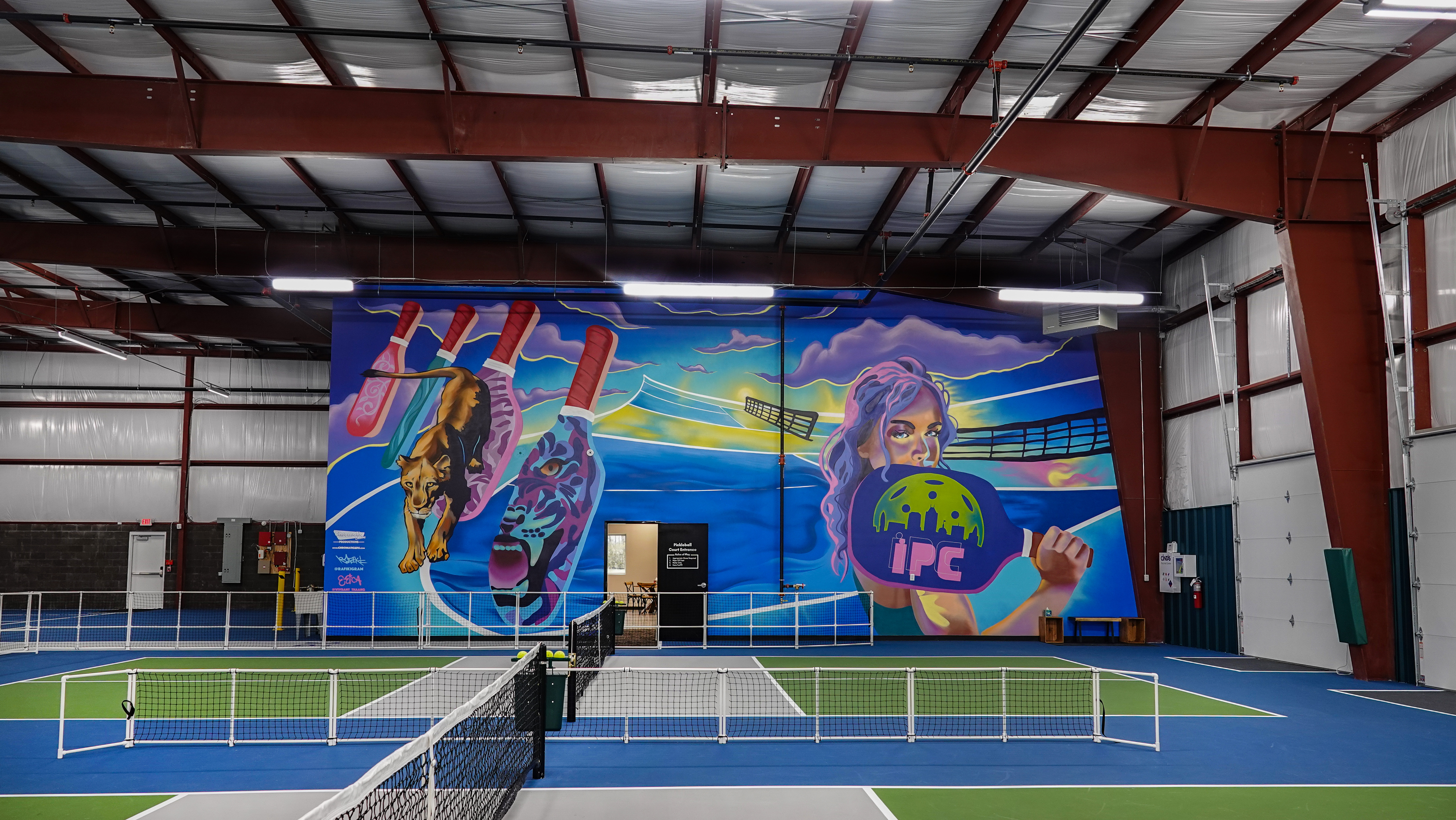
Few stories exemplify this transformation better than the Indianapolis Pickleball Club (IPC). Established by Chris Sears, IPC emerged from a passionate local pickleball community and has rapidly grown into one of the nation’s premier clubs. Sears’ leadership and vision have been the driving forces behind this evolution, turning a grassroots group into a well-structured business that delivers a top-tier experience for players of all levels. Today, IPC operates two locations in the Indianapolis area, with a highly anticipated third location on the horizon. Through Sears’ expertise, dedication, and ability to cultivate a strong and engaged community, IPC stands as a testament to how a deep love for the game and strategic leadership can transform a local movement into a thriving, sustainable business.
Chris Sears began his pickleball club journey well after he met and fell in love with the sport. As a lifelong tennis player, Sears was no stranger to the membership-driven sports world. Having spent years in tennis clubs, he understood what it took to have a dedicated space for the sport of tennis, being able to distinguish good clubs from great ones.

His professional background in technology however would prove to be just as instrumental in shaping IPC’s growth. The fusion of these two experiences—his time spent in structured, membership-based sports communities and his expertise in leveraging technology—laid the foundation for IPC’s success.
Sears’ involvement in pickleball began at Ellenburger Park, where the local community converted old tennis courts into makeshift pickleball courts. What started as a casual gathering of players quickly became a full-fledged community, with participation growing exponentially. As the group gained momentum, Sears started to recognize what appeared to be both a need and an opportunity. He saw firsthand how engaged and passionate the players were and realized that there was potential to create something more structured. The question wasn’t whether people wanted a place to play or not—it was how to create an environment that enhanced their experience.
As local parks grew busier, Sears realized that this sport was more than just a passing trend—it was a chance to establish a thriving, long-term business. As the community swelled to nearly 1,000 players, 30-40% of them would eventually convert into paying members at the IPC. This shift marked a turning point, proving that a well-managed pickleball club could thrive as both a community hub and a successful business venture. IPC’s structure allowed new players to discover pickleball at local parks while offering a more advanced and structured environment for serious players. This tiered approach ensures there’s something for everyone, from beginners to seasoned competitors.
The rise of IPC was deeply rooted in this organic community development. Unlike a traditional sports club that starts with a facility and then seeks members, IPC was built the other way around. The community was already there, playing regularly at public courts, but they lacked the infrastructure to take their experience to the next level. Sears was convinced that simply building a facility wouldn’t automatically attract players—there needed to be an intentional effort to foster a sense of belonging and engagement. The foundation of IPC was built on the idea that if you provide a better experience for an established community, good things will happen.

From the beginning, IPC planted its roots as a club focused on accessibility and programming. “One of the biggest factors in making players fall in love with a facility is the quality of play and the overall experience,” Sears explains. Sears also emphasized that IPC was designed to cater to what players truly needed. Lighting was one of the first aspects he focused on, installing premium, pickleball-specific lights that made night play comfortable and enjoyable. Unlike many facilities that use fencing to divide courts, IPC opted for movable barriers, supplied by their club sponsor Joola, allowing for greater flexibility and movement. Dedicated courts ensured players didn’t have to fight for space, and a seamless online booking system made it easy for players to schedule games. By integrating technology, IPC not only simplified operations for the business but also made the experience more convenient for players. Additionally, IPC’s 24/7 access policy allowed players to engage with the sport on their terms, reinforcing the idea that pickleball should be played how and when the community wants.
The success of IPC lies in its ability to maintain strong community momentum while directing that community into a profitable business. Open play sessions, while not the club’s primary revenue driver, serve as a gateway for new players to get involved. From there, IPC builds around that foundation with leagues, structured programming, and sponsorship opportunities. The emphasis is always on community-building first, with business operations naturally evolving from that core principle. As Sears puts it, “We are in the community-building business.”
One of the crucial pieces of IPC’s sustained membership according to Sears has been its commitment to clear values. The club operates with a strong set of community standards, ensuring that members contribute to a positive and welcoming environment. Accountability is key—IPC does not just accept any player who walks through the door; they expect members to uphold the values that have made the club successful in the first place. This clarity helps maintain the integrity of the club and ensures that the community remains engaged and supportive.
The first IPC location, opened in March 2024, features nine courts and has grown to 750 members, with an overall database of 5,000 players. The second location, which opened in December 2024, also features nine courts and has already attracted 120 members. The decision to have nine courts at each location was intentional. “I wanted to build a business that will be sustainable for the next 50 years, and this specific court count allows for structured programming while maintaining an intimate community feel,” Sears said.
On the operational side, IPC employs upwards of 12 W2 staff members, including a mix of full-time and part-time employees. Additionally, two contractors help support operations, while 10 independent instructors provide lessons and training. This workforce structure allows IPC to maintain a professional, well-organized environment while keeping the focus on community engagement.
For those looking to start their own pickleball clubs, Sears has some key advice. First, it is essential to focus on values. Before launching a club, founders need to clearly define what kind of community they want to build. Every decision, from programming to facility design, should be guided by these core values. Without a strong foundation, it’s easy to lose direction. Second, Sears emphasizes not to attempt to build something unless there is already a community ready to support it. “Too many clubs fail because they assume that simply having courts will be enough to attract players.” In reality, fostering engagement before launching a facility is crucial. Finally, Sears noted that all the marketing efforts coming from the club should always include a clear call to action.
The story of IPC is one of evolution—what started as a grassroots movement has become a full-fledged business with multiple locations and plans for continued expansion. By prioritizing the community and structuring a business around it, IPC has created a model that other club owners can learn from. As the club looks to the future, with a potential third location on the west side of Indianapolis, its mission remains the same: provide an unparalleled pickleball experience and continue to grow the sport in a way that benefits both players and the broader community.
For those who love pickleball and want to be part of something bigger, Indianapolis Pickleball Club stands as a shining example of how passion and community can create something truly special.