



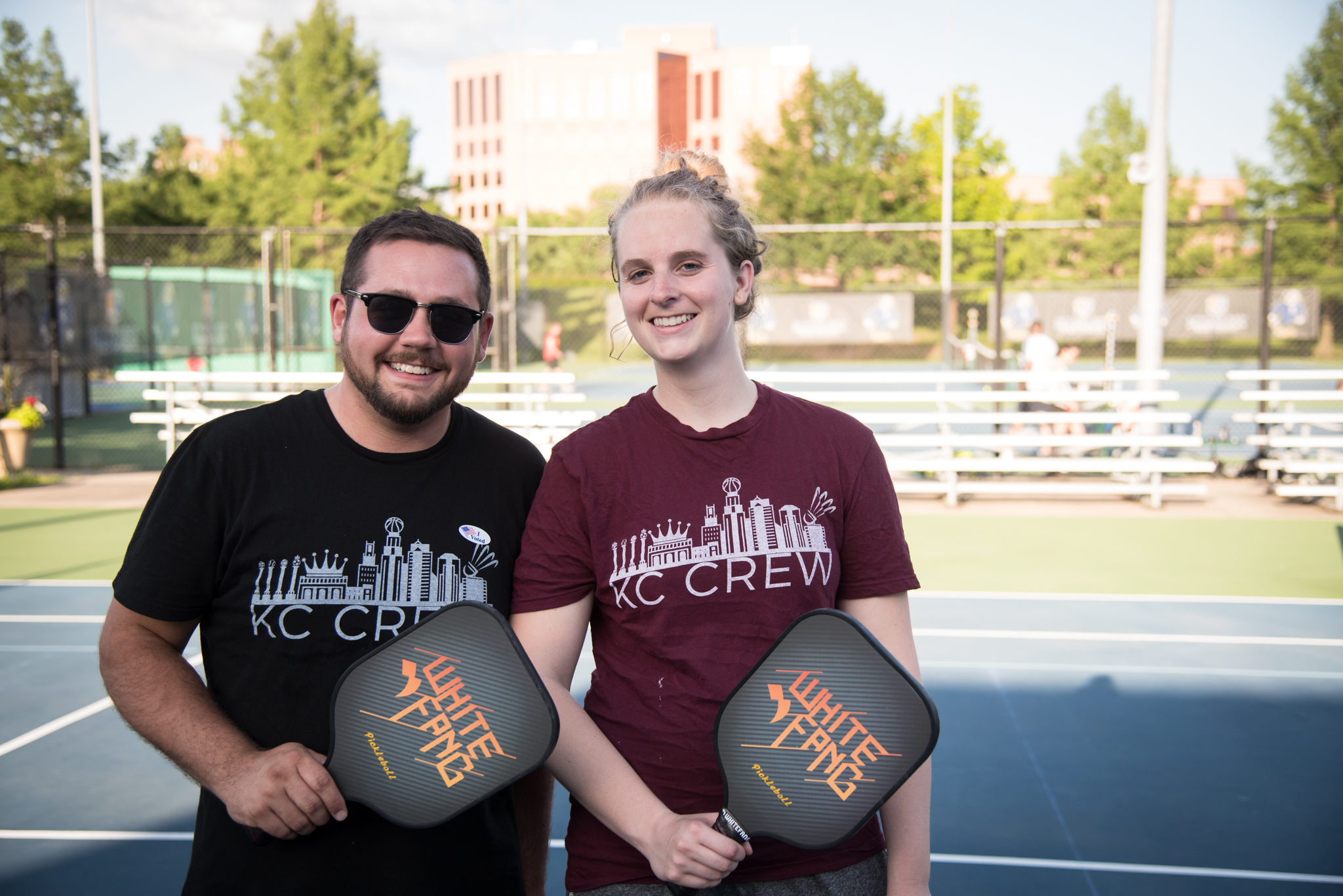
You love pickleball. Everyone you know loves pickleball. Your community really wants/need more places to play. So why not open a pickleball facility?
Pickleball has exploded in popularity, creating exciting opportunities for entrepreneurs to open dedicated pickleball facilities. Whether you’re launching a standalone pickleball club or a multi-sport facility with additional entertainment options (or “EATertainment”), the journey involves careful planning, brand building, and operational setup. This guide will help you evaluate your options, develop a business plan, and execute on opening a thriving pickleball facility.
It may seem like a lot. Are you trying to create a brand that provides a connected community for years to come or something that lasts a year or two? I imagine it’s option 1. If it is, then everything below is what will separate you from the competition and ensure success.
Phase 1 – Concept: Who and What Are We?
Before starting the development of a pickleball facility, it’s very important to spend time defining the concept. Consider this phase as the foundation upon which everything else will build.
Idea: Decide what type of facility you want to open. Will it be a dedicated pickleball club, a multi-sport facility with additional activities like sand volleyball or golf simulators, or an EATertainment venue with food and beverage options? What about all of the above? Who is your ideal customers or avatars that are visiting multiple times per week? How do you create a concept that they love?
Location: Choose a location that’s accessible to your target demographic. Ideal locations are typically in high-traffic areas with easy parking or transportation access. Consider the surrounding community and any competition.
Budgets: Draft an initial budget to estimate the total investment. Account for costs such as leasing or purchasing property, renovations, equipment, marketing, and staffing. This budget will likely evolve, but setting clear financial parameters early on is essential.
Mission, Vision, and Values: Articulate what your facility will represent. Create a mission statement that reflects the purpose of your facility. Define a vision to communicate where you hope the facility will be in five years and establish core values that guide your team’s approach to customer service and community building.
Organizational Chart: Outline the structure of your team. Even if you’re a small startup, understanding the roles and responsibilities—such as management, marketing, operations, and guest relations—will help set up a sustainable staffing strategy.
Phase 2 – Design and Brand: Layout, Experience, and Culture
The design and branding of your facility play an integral role in establishing its identity and customer experience. This phase is about creating a place where people want to spend time.
Logos, Colors, and Typography: Develop a cohesive brand identity that appeals to your target demographic. A well-designed logo, consistent color scheme, and intentional typography are crucial for creating a memorable impression and professional appearance.
Style Guide and Voice: Create a brand style guide to ensure consistency in visual and written materials. A clear, friendly brand voice that resonates with your audience enhances your facility’s personality. It’s also useful to have a style guide that defines how your brand is presented across digital and in-person experiences.
Layout and Experience: Design your facility layout for maximum functionality and flow. This means carefully planning court placements, customer seating, food and beverage areas, and spectator areas to create an inviting and efficient environment. Your layout should prioritize easy movement and visibility, especially when juggling multiple sports or event types.
Culture: Think of your facility as a community hub where players feel welcomed. Fostering a positive culture will help build customer loyalty and establish your facility as more than just a sports venue.

Phase 3 – Operations: The Core of Day-to-Day Management
A well-run facility relies on effective operations, from pricing strategies to tech systems.
Pricing: Create pricing structures that reflect the value of your facility while being accessible to your market. Consider offering various options, such as one-time court rentals, monthly memberships, and packages for regular players.
Events: Events are key for driving engagement and revenue. Plan for grand opening events, regular weekly or monthly events, and annual tournaments. These events attract new members, provide value for current members, and generate excitement in the community.
Memberships: Design membership options to encourage regular attendance. Offering perks for members—such as priority booking or discounts—can build loyalty and provide a stable income stream.
Hiring: Staffing is crucial for operations. For a pickleball facility, you’ll likely need both full-time and part-time staff, including instructors, front desk staff, event coordinators, and maintenance personnel. Establish policies for hiring, training, and retention to maintain a professional, welcoming team.
Policies: Clearly defined refund, rescheduling, and cancellation policies will protect both your business and your customers.
Tech Stack: Implement a technology stack that integrates seamlessly across operations. This includes point-of-sale (POS) systems, an all-in-one reservation, booking, membership, and client management software such as Facility Ally, payment processing, and task management software. A streamlined tech setup ensures smooth operations, improves customer experience, and reduces administrative headaches.
Phase 4 – Advertising and Marketing: Building Awareness and Engagement
A well-crafted marketing strategy ensures your facility stands out in a competitive sports and EATertainment market.
Website Design and Functionality: Your website is often the first impression for potential customers. Make sure it’s visually appealing, easy to navigate, and mobile-friendly. Include information on services, hours, pricing, events, and an online booking system for ease of access.
SEO: Optimize your website content with relevant keywords like “pickleball facility,” “sports facility,” “pickleball business plan,” and “multi-sport facility.” Effective SEO helps drive organic traffic and ensures your website ranks high in search engine results.
Social Media: Utilize organic social media posts to build a community and share updates. Consider paid advertising on platforms like Facebook, Instagram, and TikTok to reach a larger audience. Working with micro-influencers who are passionate about pickleball can also help promote your facility.
Email and SMS Marketing: Engage with customers through email and SMS marketing campaigns. These channels allow you to share updates, promote events, and provide special offers to keep customers coming back.
Phase 5 – Execution: Putting It All into Action
Execution is where all the planning comes to life. This phase involves the day-to-day scheduling, managing, and coordinating activities to ensure smooth facility operations.
Planning: Develop a comprehensive weekly and monthly plan that includes budgets, daily task assignments, and goals.
Scheduling: Create schedules for your staff, court reservations, and events. Effective scheduling not only enhances customer satisfaction but also optimizes facility usage. Having an all-in-one software such as Facility Ally to automate reservations, events, memberships, lessons and more will not only help generate revenue but it will save your team from having to learn multiple software and it will streamline processes.
Management: Oversee daily operations to ensure all aspects of the business are running efficiently. Hold regular team meetings to address issues, track progress, and ensure the team is aligned with the facility’s goals.
Continuous Improvement: Once open, continuously evaluate your operations, customer feedback, and financial performance to make data-driven improvements. Adjust your strategies to keep the facility fresh, exciting, and profitable.
By following these phases, pickleball facility owners can successfully bring their vision to life, create an exceptional experience for their guests, and establish a vibrant community hub. Whether you’re starting a dedicated pickleball venue or a multi-sport eatertainment facility, careful planning, clear branding, operational efficiency, and targeted marketing will set the foundation for long-term success.
Contact us if you’d like more details about how we can help your business or if you’d like to receive a complimentary website consultation.