In a landscape where most pickleball clubs are barely a few years old, Palatine Picklers occupies a rare position. Founded in 2015, it represents one of the earliest organized pickleball communities in suburban Chicago, long before the sport’s explosion into the mainstream. For club owners studying longevity, sustainability, and community loyalty, the story of founder Bear Shatwell offers a blueprint forged over nearly a decade of consistent experimentation and old-fashioned connection.
From the beginning, Shatwell never intended to create a performance academy or a tournament machine. His goal was simply to help people get on the court together. “I just wanted a place where people could show up, meet someone new, and have fun,” he says. That ethos still defines the program today. Everything he designs is meant to lower barriers, encourage movement, and make beginners feel like they belong from the first session.

Programming has always been where Shatwell shows the most creativity. Long before theme nights became a trend, he was already running playful, low-cost events that turned open play into an experience. Some of the club’s most popular events include a Wrong-Hand Tournament where players compete using their non-dominant hand, a Bionic Body Tournament for participants with metal implants, and a Red and Pink Couples Tournament in which one partner wears red and the other pink. Other favorites include a marathon tournament played across two facilities, a Halloween costume tournament, a Parent and Offspring event, and even a Longest Last Name Tournament to celebrate unusual surnames. “People love something to rally around,” Shatwell explains. “It can be as simple as a silly theme. The point is to give people a reason to smile before they even pick up a paddle.” These inventive formats generate repeat attendance because they create a sense of belonging and fun that goes beyond standard play.
One of the longest-running pillars of the program is intentional mentoring. In 2016, Shatwell began pairing newer players with more experienced ones to provide hands-on guidance. “People love feeling like they’re getting better, even if they’re not taking one-on-one lessons,” he says. The sessions, offered year-round, blend warm-ups, drills, and structured play in a supportive environment. By guiding beginners through court positioning, shot selection, and strategy, the mentoring program has been a critical retention tool and has helped more than 800 participants improve their skills.
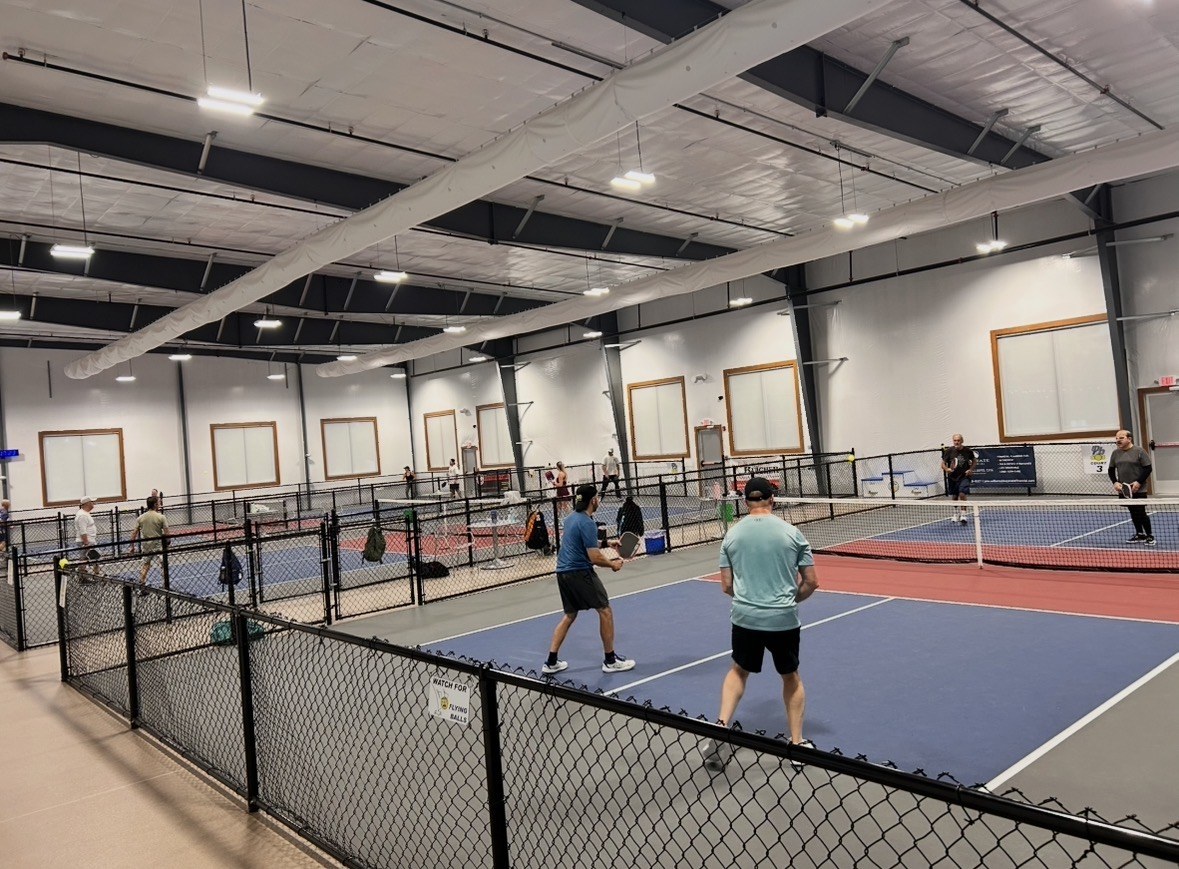
Palatine Picklers thrives despite not having a dedicated facility. The club uses Palatine Park District spaces, rotating between indoor gyms and outdoor courts. Shatwell treats limited resources as an opportunity for creativity, maximizing each session regardless of space constraints. “We use what we have, and we make it as good as possible for the players who show up,” he says. When courts are limited, sessions focus on instruction and mentoring. When more space opens, tournaments and themed events take center stage.
Community is at the heart of Shatwell’s approach. Volunteers, many of whom started as beginners themselves, assist with mentoring, tournament setup, and event organization. “When people feel valued, they want to give back. It is not something you can force. You build it day after day,” he says. This emphasis on relationship-building has allowed Palatine Picklers to grow steadily, even as the club approaches its tenth anniversary.
Even after nearly a decade, Shatwell’s philosophy remains grounded and refreshingly straightforward. He is not chasing every new trend or reinventing his calendar every month. His program grows by small improvements layered over years of consistency. “Our goal is not to be flashy,” he says. “Our goal is to be dependable. When people walk in, they know they are going to have a good time.”
As new pickleball facilities continue to open across the country, many will focus on design, technology, or amenities. Yet Palatine Picklers offers a different lesson. Longevity is not built on equipment upgrades or interior finishes. It grows from trust, thoughtful programming, and leaders who show up year after year with the same commitment. For club owners hoping to build communities that last beyond the buzz, Shatwell’s decade of experience and his creative roster of fun, engaging events stand as a meaningful guidepost.