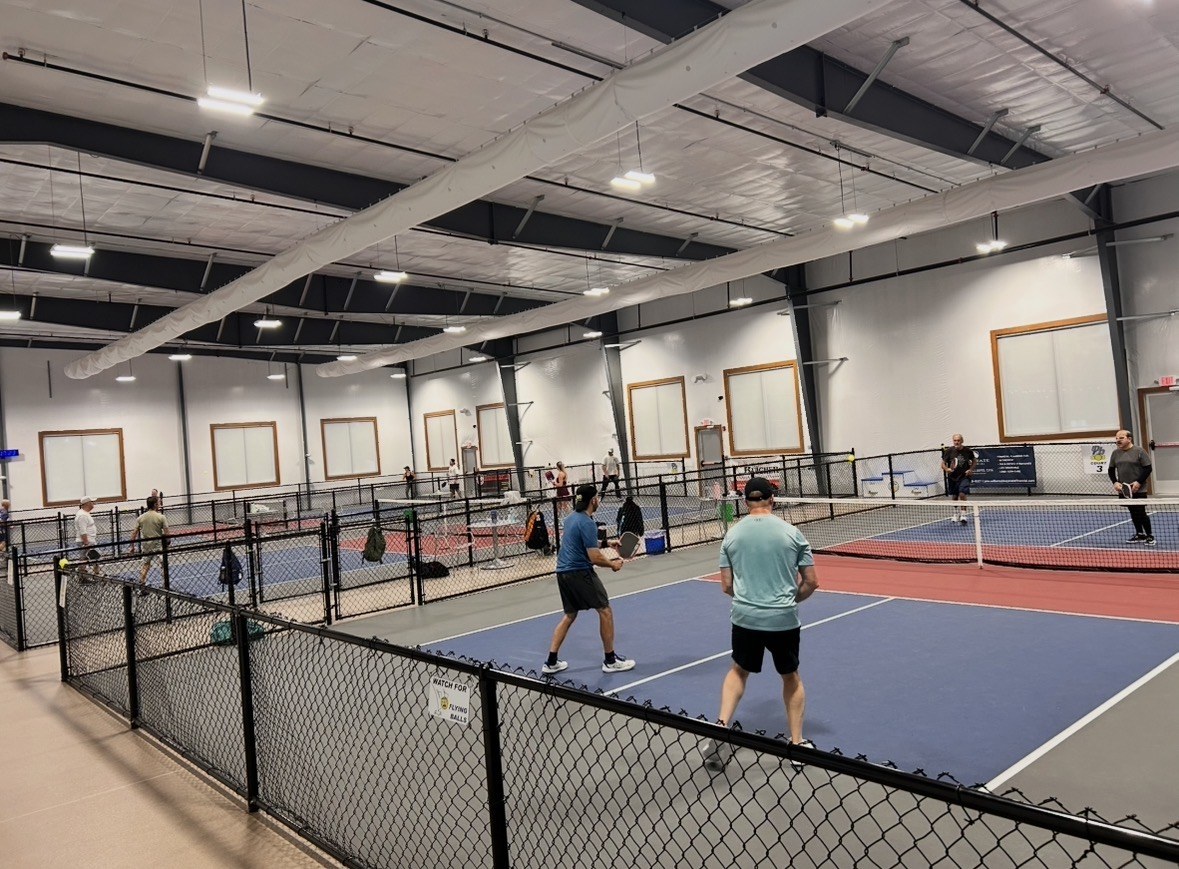
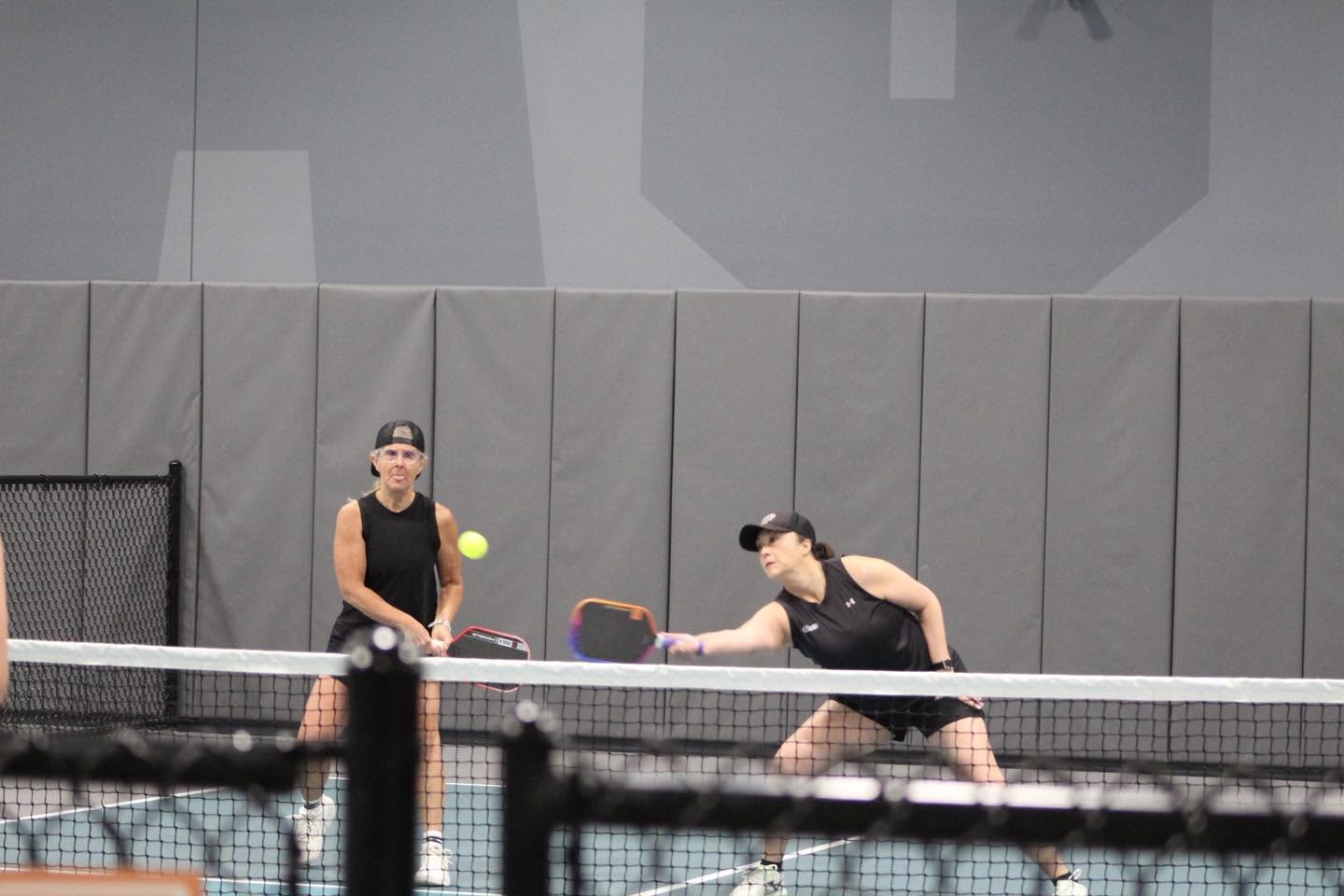
Zero Zero Two in Fort Collins, Colorado, opened in December of 2025 with the motto “Of the players, by the players, for the players”. This focus on community and culture has proven successful, with the club nearing its self-imposed max of 650 members in only nine months.
Key Takeaways
- Zero Zero Two, a player-owned club in Fort Collins, Colorado, opened in December 2025 and is nearing its self-imposed cap of 650 members in only nine months.
- The facility offers 11 indoor and six outdoor courts and operates on the motto “Of the players, by the players, for the players.”
- Owner Neil’s top advice for new builds: add 30% to 40% to your construction timeline. A delayed opening cost the club a full season of players moving indoors for winter.
- Founder memberships sold before opening carried the club through construction delays.
- A quarterly member survey earns roughly a 50% response rate, and visible changes based on that feedback build member trust.
- Member feedback led to new membership levels, including a non-peak unlimited open play option built for Fort Collins’ large retired population.
- A deliberate culture of hospitality, plus a one-on-one player series for newer players, helps new members feel welcome before they head into open play.
A Family-Owned Club Built by Players
Neil is one of six owners, including his wife and sons. Their collective love of the game and desire to bring something to the community they thought it needed prompted the birth of Zero Zero Two. They are all rooted in the pickleball community and excited to be a part of it in this newly built facility with 11 indoor and six outdoor courts.
Lessons From Building a Club From the Ground Up
Neil says he and his partners have learned a lot through the building process. Even with his business background and working with a large company, the club opening was delayed and interfered with opening plans.
One thing Neil would tell new club owners, especially those building a club from the ground up as they did, is to add another 30%- 40% to the building timeline. Zero Zero Two planned to open in the fall of 2025 to capture players transitioning from outdoors to indoors.
When they opened in December, many players had already committed to their winter membership, meaning the club had to wait another year to capture that portion of the market.
Why Founder Memberships Matter for New Clubs
“Thankfully we had a large base of foundational members who committed before opening,” Neil says. “Founder memberships are so important to new clubs, especially when delays happen that are out of your control.”
Pre-opening commitments give a new facility both cash flow and a built-in community on day one. For more on setting membership strategy before the doors open, see Center Court’s membership mindset from day one and our guide on how to open a successful pickleball facility.

Operators navigating a renovation or build can also learn from how a construction entrepreneur brought pickleball to Cleveland.
A Membership Cap That Protects Court Time
The club intentionally set a membership cap to allow for all players to play the days they want. The club’s “Of the players…” philosophy is reflected in how the club is managed, including member caps and their involvement in decision-making.
Court availability is one of the biggest drivers of member satisfaction. The Pickle Lodge and Pickleland take different approaches to the same challenge of keeping courts full and members happy.
How Quarterly Member Surveys Drive Decisions
“We have a weekly newsletter and approximately every quarter we include a survey for our members asking them what is working, what isn’t and what they might want,” Neil says. The club uses a simple forms survey sheet with one or two open-ended questions and mostly multiple-choice, where they might ask players to rank programs or ideas based on what they have heard from members.
Neil says roughly 50% of their members respond. What cements their investment in the club is when changes actually happen from the feedback. This builds trust with the members and allows the owners to try new programs, even at the risk of upsetting members with change.
Treating New Programs Like Product Development
He acknowledges that it is nearly impossible to please 100% of members. New ideas are treated like traditional product development. If members don’t like the changes they dig deeper to see what they miss. Oftentimes, a refined hybrid version emerges that ends up pleasing a large percentage of the club’s members.
A recent example was a women’s open play group requested by a group that enjoyed playing together. As attendance dropped, Neil and the team realized something needed to change. Instead of stopping the league entirely, they made women’s open play part of a broader open play with women-designated courts.

With this new format, if there are a lot of players, they can mix in, and those who want to only play with women have that option as well. Incorporating two separate goals of members allows players to have their cake and eat it too.
Listening and adapting is a pattern shared by growing clubs. Pickles in Hanover, Massachusetts uses member input and data to reshape its programming, and Pickleball Citi shows how intentionality can lead to growth in a smaller facility.
Adding Membership Options Based on Member Feedback
Flexibility and observing member participation recently prompted Zero Zero Two to add more membership options.
The club opened with a deluxe and a basic monthly model that, based on the level, allowed different levels of access to open play and court bookings. They then realized that members have a variety of needs when it comes to court time and adjusted accordingly.
“Members provided feedback about our options, with a sizeable group saying they don’t want to book private courts, and if they did, it would be a special occasion they would willingly pay for,” says Neil. So a new membership level was created.
The second membership level meets the needs of the large retired population in Fort Collins with more flexible schedules. Instead of unlimited play anytime, it offers a better price point for unlimited open play during non-peak hours. This new option keeps this demographic happy and the club full, meaning it’s a win-win.
Building for off-peak players is a proven way to fill weekday courts. See three strategies for pickleball clubs to tap into the growing senior demographic, Club Pickleball USA’s unique approach to membership, and turning player time into revenue.
Hospitality That Makes Every Member Feel Known
Rounding out the club’s focus on a welcoming environment and building community, Neil adds the club models a community of true and deep personal hospitality. From the owners to the employees, Zero Zero Two has gone overboard to build a Cheer’s TV show type of environment where everyone feels welcome and knows your name.
“When you become a member here, in very short order a good number of people are going to know your name and when you like to play,” Neil says. The club recognizes that for newer players it can be intimidating, so creating a welcoming community can make all the difference.
He adds that the team works to get new members set up with a time or a group ot play with in open play. They also offer a robust one-on-one player series that helps new players feel more comfortable when learning the game before they head into open play, AKA “The Wild”.
Helping New Players Before They Enter “The Wild”
“When you have played for a while, it’s easy to forget what it was like to be new,” says Neil. “We’ve built it into our more experienced players to remember where they were when they started, and they are embracing it.”
Onboarding newer players well is one of the most reliable growth levers a club has. Learn more in how to grow your club by leveraging beginner clinics and see how Cedar Falls Pickleball Club keeps community top of mind.
What Operators Can Take From the Zero Zero Two Playbook
Zero Zero Two demonstrates that an intentional growth strategy built on community and trust pays out in the long run. Bringing members into decision-making by working to find solutions for all can build a club that not only grows, but also thrives.
For club owners and operators, five moves from Zero Zero Two translate directly:
- Pad the build timeline. Add 30% to 40% to your construction schedule, and plan your opening around the season you need to capture.
- Sell founder memberships early. A committed pre-opening base protects the club when delays are out of your control.
- Cap membership to protect court time. A deliberate limit keeps every member able to play on the days they want.
- Survey members and act on it. A quarterly survey with visible follow-through builds trust and earns room to test new programs.
- Price for how members actually play. Off-peak and no-booking options fill slower hours and keep more players happy.
Frequently Asked Questions
Where is Zero Zero Two pickleball club located?
Zero Zero Two is a pickleball club in Fort Collins, Colorado. It opened in December 2025 in a newly built facility with 11 indoor and six outdoor courts.
Who owns Zero Zero Two?
Zero Zero Two has six owners, including Neil, his wife, and his sons. The owners are rooted in the pickleball community and built the club around the motto “Of the players, by the players, for the players.”
How many members does Zero Zero Two have?
Zero Zero Two is nearing its self-imposed cap of 650 members, reached in only nine months after opening. The club set the cap intentionally so all players can play the days they want.
Why did Zero Zero Two open later than planned?
The club planned to open in the fall of 2025 to capture players moving from outdoor to indoor play, but construction delays pushed the opening to December. By then, many players had already committed to winter memberships elsewhere. Neil advises new club owners building from the ground up to add another 30% to 40% to the building timeline.
Why are founder memberships important for new pickleball clubs?
Founder memberships give a new club a committed base of members before opening. At Zero Zero Two, a large base of foundational members carried the club through construction delays that were out of the owners’ control.
How does Zero Zero Two collect member feedback?
About every quarter, the club includes a survey in its weekly newsletter asking members what is working, what isn’t, and what they might want. The survey uses mostly multiple-choice questions, such as ranking programs or ideas, plus one or two open-ended questions. Roughly 50% of members respond.
What membership options does Zero Zero Two offer?
The club opened with deluxe and basic monthly memberships offering different levels of access to open play and court bookings. Based on member feedback, it added a membership level for players who don’t want to book private courts, and a level offering a better price point for unlimited open play during non-peak hours, which serves Fort Collins’ large retired population.
How does Zero Zero Two help new players feel welcome?
The team helps new members find a time or group to play with in open play, and offers a one-on-one player series that helps new players get comfortable before joining open play, which the club calls “The Wild.” Experienced players are encouraged to remember what it was like to be new.
Read the Latest Issue of Pickleball Club Magazine
Want more operator stories like Zero Zero Two’s, plus the data and strategies shaping the business of pickleball? Read the latest issue of Pickleball Club Magazine here, and subscribe to our newsletter so the next issue lands straight in your inbox. You can also browse more club profiles in our In The Kitchen section.