Successful brands have learned that giving back works best when it is more than an occasional marketing tactic. It is an organizational value. Pickleball venues can apply four lessons from corporate social responsibility (CSR):
Key Takeaways
- Treat giving back as an organizational value, not an occasional marketing tactic.
- Start with the community’s needs, choose a focus and stick with it, make giving part of everyday business, and invite staff and members to participate.
- A used-paddle drive is a low-cost, low-staff alternative to a charity tournament: ask before you collect, set a goal and period, and make the handoff an experience.
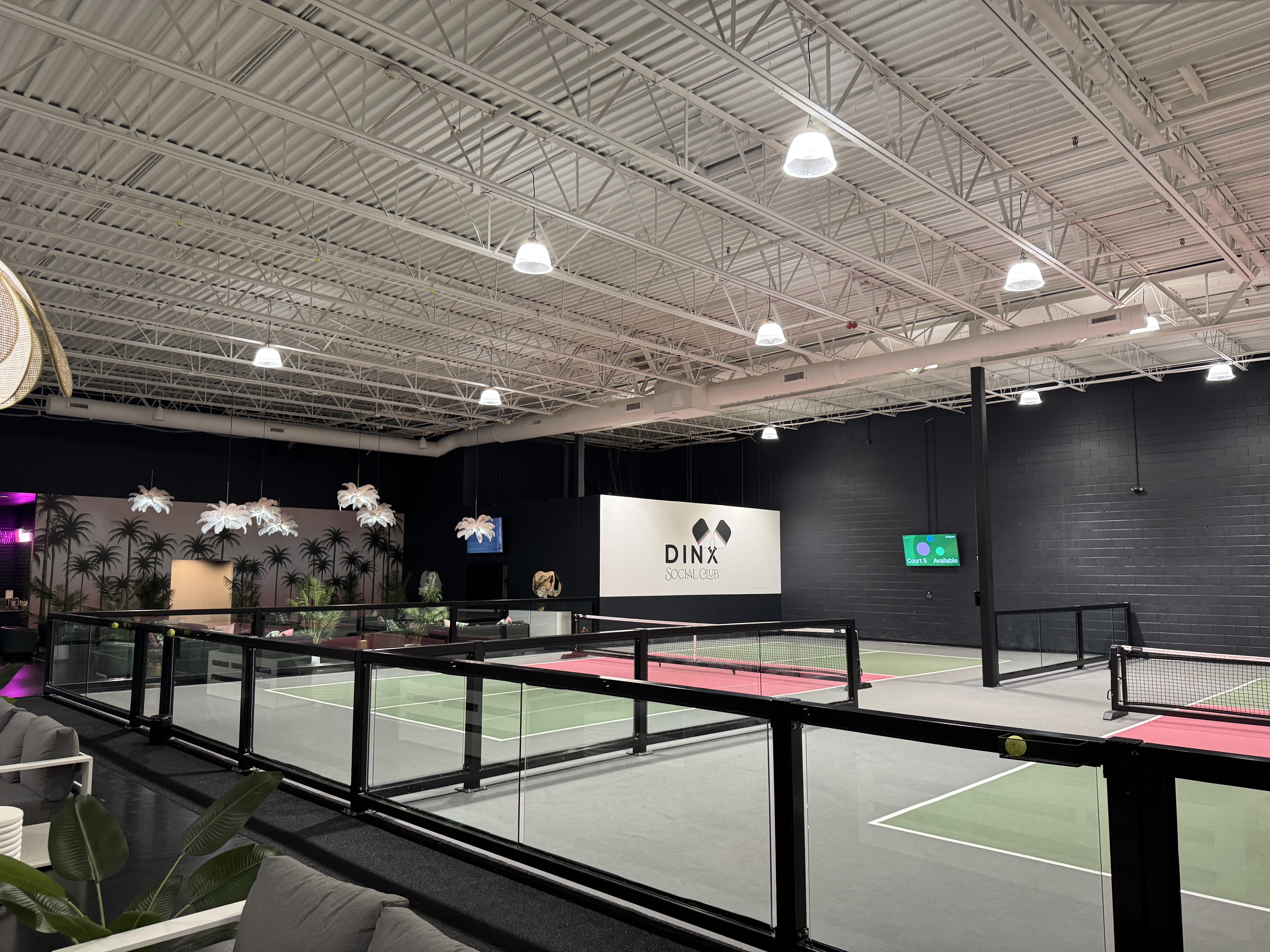
- Relish Food Hall // Pickleball in Colorado partnered with Pickleball for Good™ on a PaddleDrive for Good™ collection.
- Track community results (paddles, participants, volunteers) separately from business metrics like guest inquiries and conversions.
Four Lessons From Corporate Social Responsibility
Start with the community’s needs. The most successful initiatives create genuine, lasting value for the people they aim to support. Before you launch anything, ask local schools, youth programs, and nonprofits what they need, and let their answers shape your plan.
Choose a focus and stick with it. A consistent cause builds recognition and trust. Choose a population or organization your club genuinely cares about and support it over time; you can revisit the focus as your community’s needs evolve.
Make giving part of everyday business. A charity tournament can be valuable, but it doesn’t have to be your only activity. Consistent initiatives throughout the year show members that community impact is a valued part of the club’s culture.
Invite staff and members to participate. Volunteering alongside one another creates shared experiences and authentic stories that advertising alone cannot replicate. With permission, share those stories, photos, and videos through your facility’s communications channels.
A Low-Cost, Low-Staff Idea: Used-Paddle Drive
Charity tournaments can be worthwhile, but they require considerable planning and staff time. A used-paddle drive offers a simpler way to support access to recreational play throughout the year.
Ask before you collect. Talk with potential local recipients first, such as a school, YMCA, Boys & Girls Club, or adaptive pickleball program. Find out whether paddles are what they need, how many, and how they would be used. They may also need court time, coaching, or balls and nets. Share the resulting plan with members.
Set a goal and a collection period. Invite members to donate gently used paddles and place a collection bin near the front desk or courts. Base your target on the recipient’s stated need, such as 50 paddles in a month, and post a visible progress count.

Make the handoff an experience. If the recipient is a school, for example, invite students, families, and a PE teacher to the club for a free session during an off-peak period. Donated paddles are used during the session, and the teacher keeps them for use in the school’s pickleball classes. Members can be asked to volunteer as coaches and court helpers and invited as spectators.
The Community Impact
A well-run used paddle drive can create connections across generations, show that the club welcomes beginners, and put equipment in the hands of people who might not otherwise try or have access to the sport. The real measure of success is the recipient’s: Are the paddles being used? Are more people playing? Is their program growing?
Relish Food Hall // Pickleball in Colorado has teamed up with Pickleball for Good™ to host its first PaddleDrive for Good™ club site collection. The venue’s co-founder, Amy Youngstrom, says, “It’s great to give our community members a meaningful way to repurpose paddles that they no longer use. We love knowing that used/old paddles can go toward helping foster a love for the game for people who might not have another opportunity.”
Be genuine. Ask recipients what they need, let them describe the equipment’s impact in their own words, and report back on outcomes. Invite the partner organization to share a short follow-up story, including a participant’s experience. A local business or member’s employer might sponsor the drive, helping offset overhead costs and fund the recipient’s ongoing program. Make any financial arrangement clear and ensure it meets the recipient’s needs.
The Business Benefits
Community impact should be the reason you give. Business benefits are a separate, secondary result, and it’s worth treating them that way.
In its 2018 Purpose Study, Cone Communications reported that 79% of Americans said they are more loyal to purpose-driven brands. Purpose can influence consumer loyalty and purchasing decisions, though they don’t guarantee a direct revenue lift for a pickleball club. Great courts, service, and programming remain essential, but a credible community commitment can help distinguish a club when members are choosing where to play and where to bring friends. (Source: Cone Communications, 2018 Cone/Porter Novelli Purpose Study)
A paddle drive also gives you a genuine local story for newsletters and media. Communication works best when it connects with people’s interests and values, so review your channels, including email newsletters, signage, coach and staff conversations, social media, and local press. Use them to explain what the club is doing, why it matters, and what members can do to help. Keep the message specific, personal, and grounded in results.
To gauge business results, track guest inquiries and guest-to-member conversions. These measures won’t prove that your paddle drive alone caused new memberships or regular players, but they can help you assess reach and improve outcomes for the next initiative. Track community results separately: paddles collected, participants served, and volunteers involved.
Start This Month
Ask staff or members to nominate a local organization, then ask that organization what it needs. Put a collection bin in a visible spot and set a goal and deadline. A modest effort, repeated consistently and measured honestly, can help make community giving part of your venue’s culture. There are other regional nonprofits to work with that help collect and distribute paddles, such as Full Circle Paddles, The Paddle Project, and Pickle for a Cause Foundation.
Frequently Asked Questions
What is a used-paddle drive?
Members donate gently used paddles to a local school, YMCA, Boys & Girls Club, adaptive program, or similar partner. The club sets a goal and collection period, then ideally hosts a handoff experience such as a free intro session.
Why start with the recipient’s needs?
They may need paddles, court time, coaching, or balls and nets. Asking first keeps the drive useful and genuine instead of collecting equipment nobody can use.
How should clubs measure success?
Track community results (paddles collected, people served, volunteers) separately from business signals like guest inquiries and guest-to-member conversions.
Susan “Dinkerbell” Swern is the founder of Pickleball Impact Advisors and Pickleball for Good™. Contact: susan@pickleballforgood.org.
Read the Latest Issue of Pickleball Club Magazine
Want more operator playbooks like these, plus the data and strategies shaping the business of pickleball? Read the latest issue of Pickleball Club Magazine here, and subscribe to our newsletter so the next issue lands straight in your inbox. You can also browse more supplier perspectives in our Supplier Insights section.