Key Takeaways
- Owner presence drives pickleball club growth. Dave Wilcox moved to Texas full-time after learning no one cares about your club like you do.
- Heights Athletic Club is a semi-private facility with 13 pickleball courts, day passes, and $99 monthly memberships on a seven-acre campus.
- High-touch programming like scrambles, leagues, academies, and free intro classes turns open-play visitors into a member community.
- Grassroots marketing at rotary clubs, churches, and youth groups plus a part-time social media hire cut ad spend from $1,500 to a few hundred dollars a month while increasing foot traffic.
Dave Wilcox and his two business partners went from running zero pickleball clubs to running two clubs in two different states on the same day. For the record, Dave does not recommend. With Dynamite Pickleball Club in his home area of Santa Barbara, California, and Heights Athletic Club in Harker Heights, Texas, it became clear that building a great club takes more than great facilities.
The courts at Dynamite weren’t the best to start, yet the club was growing steadily. Conversely, the courts at Heights Athletic Club were pristine, yet the club wasn’t picking up as it should.
“My wife Tracy and I are really connected to the pickleball community as players and pros and the community in general in Santa Barbara, which helped greatly with Dynamite,” Dave says. “After alternating weeks there, then hiring a general manager to get the Heights Athletic Club up and going, we realized no one cares about your club like you do, and we moved full-time to Texas.”
A Full-Service Pickleball Facility on Seven Acres
Heights Athletic Club is a full-service space on seven acres of land. The club has 13 pickleball courts with five under lights and multiple courts covered for sun protection. The facility also offers tennis, a pool, fitness, yoga, and more.

Dave says it is a learning curve with all of the facilities on the campus, and they are rising to the challenge.
A Semi-Private Membership Model Built for Growth
He categorizes Heights as a semi-private club offering memberships and drop-in play. Guests can buy a day pass to enjoy all the amenities or $99 for the month, with additional family members added for $25 each. Dave estimates the club currently has 200-300 members and is growing.
Like many clubs, city courts are a free option for players. To help make the courts even more attractive to players, Dave hopes to fully cover and air-condition the partially covered courts soon. They also offer programs and events to fill the need for players who tire of strictly open play and are looking for a community of players.
“We are a high-touch facility, meaning yes, we offer programs and events, and we also offer scrambles, leagues, live ball, private coaching, academies, and free pickleball intro classes twice a month that help build interactions and help us get to know our players and vice versa.”
Growing the Game Beyond the Club Walls
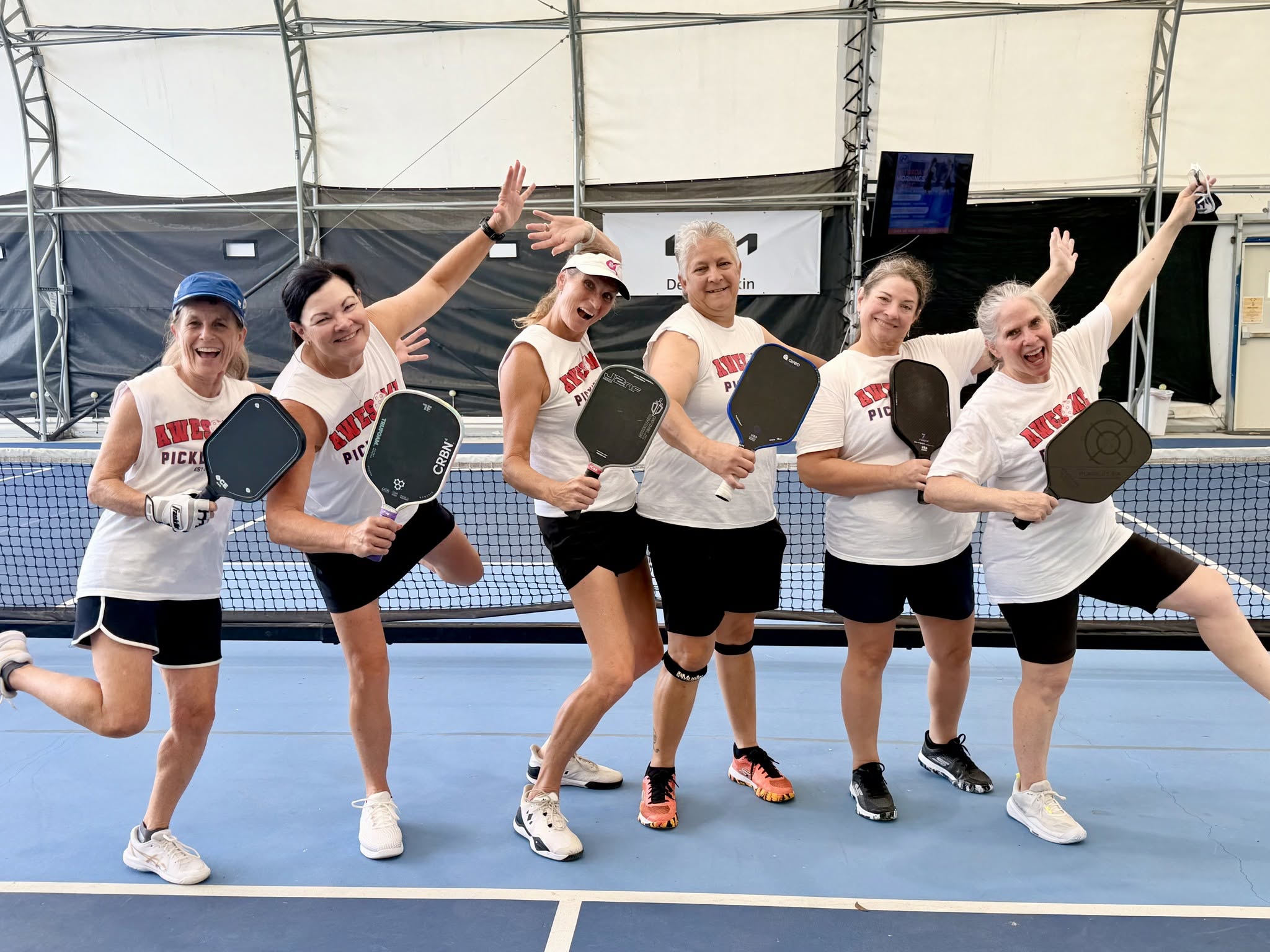
In the spirit of community, Dave says he goes where the game is. If someone invites him to play at another club, he’s in! Even driving an hour away to play is feasible, as Dave believes in growing the game as a whole.
“I did a rough tally and think I have taught 4,000 people to play pickleball in my career,” Dave says. “It is true pickleball is the fastest growing sport, and I believe if we all help build the sport and continue to add players, it’s great for all clubs and club owners.”
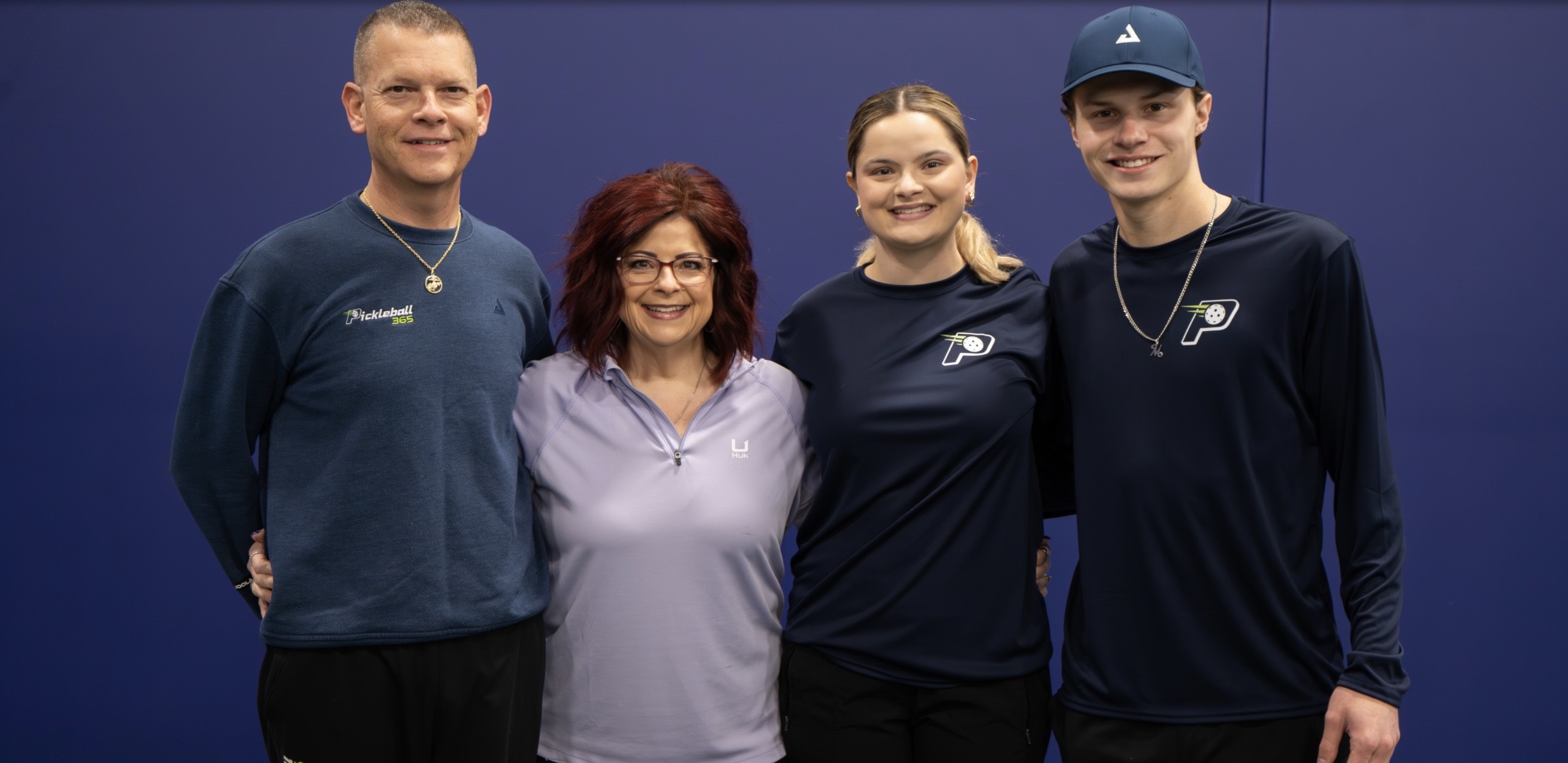
Dave says that he, his wife, and their seven kids are working hard on developing relationships as they had in California, and it’s happening.
“What we love about pickleball is the culture and the people, and we are building that here.”
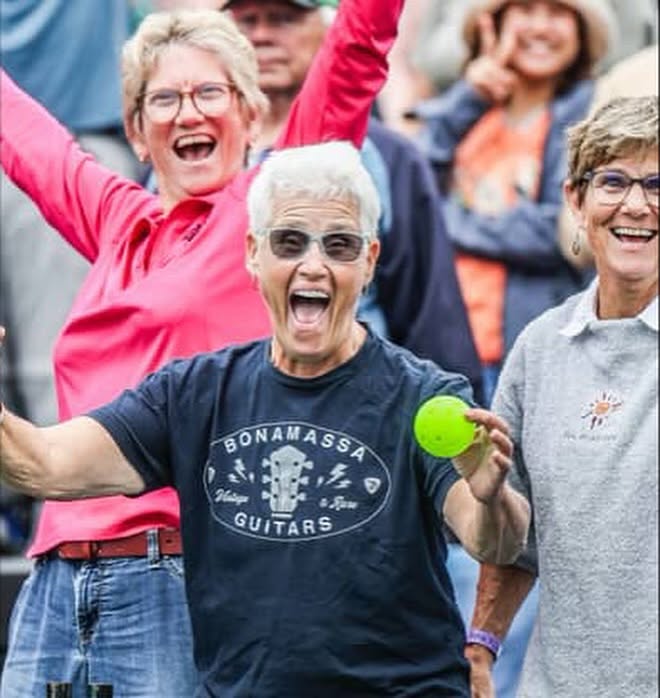
Recently, a customer stopped him to say she loved being at the club and missed having BLT sandwiches on the menu. Dave says even if one person misses them, if it’s possible to get that sandwich back on the menu, she’ll be thrilled and might tell ten people about it. That’s how you build community.
Marketing That Lowers Costs and Raises Foot Traffic
Along with word of mouth and interacting with and being available to members, marketing is key to bringing in new members and players.
Instead of relying solely on paid advertising, they visit rotary clubs, churches, youth groups, and other local organizations. Dave said he and his wife are extroverts and love getting the club’s name out there.

They also recently hired a part-time social media manager and are seeing excellent results.
While it can be difficult investing in staff, Dave says this hire has paid off. The club now has a dedicated social media strategy in new channels such as TikTok that is growing revenue.
“We were spending $1,500 with ads on Facebook and Instagram. She’s been able to lower our costs to a couple of hundred dollars and is getting more views and improving foot traffic to the club.”
Relationships Are an Investment in the Future
He also advises clubs to follow their heart and know there is going to be trial and error when starting new programs. Spreadsheets and computers are great for tracking dollars, but they don’t encapsulate how you make people feel. Canceling a class because you are two people short of profiting can upset the members who signed up. However, if those players tell their friends about it, in two more sessions you might have a waiting list.
Relationships compound over time and are an investment in the future. For when new clubs come along, members return to ones where they feel at home.
Get More Club Growth Strategies Delivered to Your Inbox
Want more real-world strategies from owners who are growing their clubs the right way? Subscribe to the Pickleball Club Magazine newsletter for club owner success stories, industry data, and best practices in every issue. Building something worth featuring? Reach out about advertising and partnerships to get your brand in front of club owners nationwide.